
An exhibition marking the 10th anniversary of the prestigious Marilyn Stafford FotoReportage Award
The Marilyn Stafford FotoReportage Award, which this year celebrates its 10th edition is facilitated by FotoDocument and is supported by Nikon Europe. Marilyn Stafford (b.1925, d.2023) honed her own craft under the tutelage of Henri Cartier-Bresson and Robert Capa.
The prize goes towards the completion of a compelling and cohesive documentary photo essay, which addresses an important social, environmental, economic or cultural issue, whether local or global.
Photo North are delighted to exhibited a celebration of ten years of the Marilyn Stafford FotoReportage Award.
The exhibition will feature work by the 2026 Award Winner Johanna Alarcón as well as a retrospective display showcasing highlights from the past decade of winning projects.
Contributors: Johanna Alarcón (2026 Winner) : Jodi Windvogel : Isabella Franceschini : Ana Maria Arévalo Gosen : Natalya Saprunova : Isadora Romero : Özge Sebzeci : Nicky Quamina-Woo : Rebecca Conway
The Marilyn Stafford FotoReportage Award of £4,000, facilitated by FotoDocument and generously supported by Nikon, is granted annually to a professional woman photographer towards the completion of a compelling and cohesive documentary photo essay, which addresses an important social, environmental, economic or cultural issue, whether local or global that has a focus on positive solutions.
Valley of the Shadow
By Rebecca Conway
This photo essay examines the legacy and treatment of depression and Post-Traumatic Stress Disorder in both Indian-administered and Pakistan-administered Kashmir, following decades of separatist insurgency and state repression.
According to Doctors Without Borders, as many as 80 per cent of all psychiatric patients at the SMHS Hospital in Srinagar have been diagnosed with PTSD or trauma-induced depression, brought on, doctors say, by the enduring years of violence. The work extends into Pakistan-administered Kashmir, examining similar impacts of cross-border violence and uncertainty over Kashmir's future status on residents of Azad Jammu and Kashmir, and Gilgit-Baltistan.
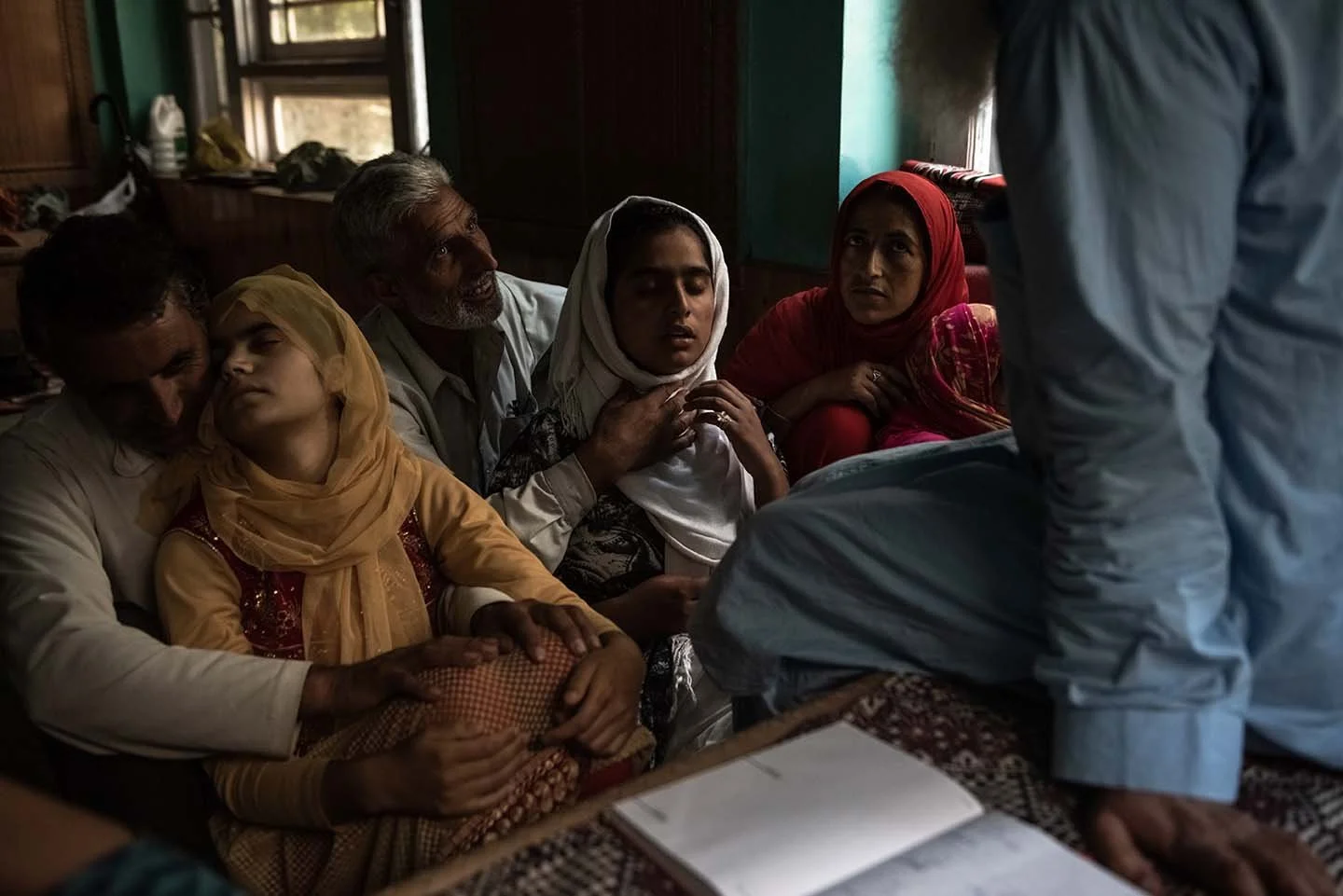
Kashmiri faith healer Peer Syed Hussain treats girls thought to be possessed by a jinn, or evil spirit, during a weekly open surgery at his home. Furrah village, Indian-administered Kashmir 2017.
I Am Beautiful But My Destiny…
By Özge Sebzeci
This work explores the forced migration crisis in Turkey following the outbreak of war in Syria in 2011, which displaced approximately 3.5 million people. It focuses on one of the most vulnerable Syrian refugee groups: underage girls in wedlock.
Many have lost fathers, brothers and other family members and endured the traumas of war with limited support, while trying to rebuild their lives. For some families, child marriage is seen as a way to protect their daughters, preserve family honour, or ease financial pressure - often to men within trusted social networks, with dowries offsetting costs. Although child marriage predates the conflict in Syria, rates among refugees have risen significantly since. Through intimate stories, the work raises awareness and supports efforts to end the practice.
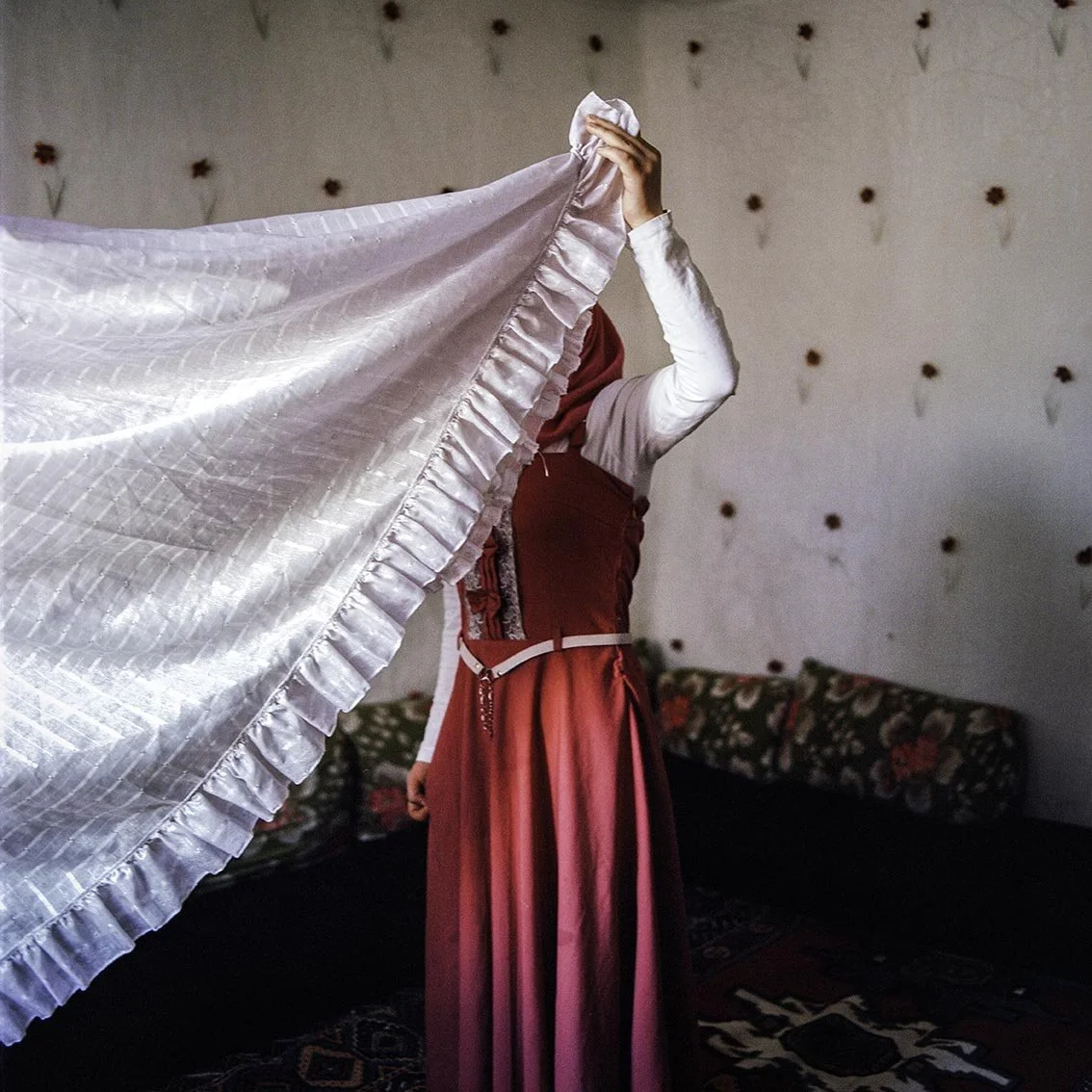
Khadija was 15 when she divorced from her 20-year-old husband Mohamed. She fled to Turkey when she was 12, was engaged at 13 and married at 14. Her father died when they were in Syria and Khadija believes he would not have wanted her to marry.
As The Water Comes
By Nicky Quamina-Woo
Africa’s environmental challenges are often overlooked, despite the continent experiencing severe impacts from desertification, soil erosion and rising sea levels. In northern Senegal, hundreds of families are regularly displaced as coastal erosion and flooding destroy homes, forcing residents into temporary settlements.
This work examines the impact of climate change on vulnerable communities, particularly with regards to fishing and agriculture. Despite some foreign investment, sometimes the local nature-based responses are more effective. In Langue de Barbarie, communities use locally-sourced typha reeds to build fencing that captures wind-blown sand for the rebuilding of eroded dunes and local NGOs train communities to maintain them.
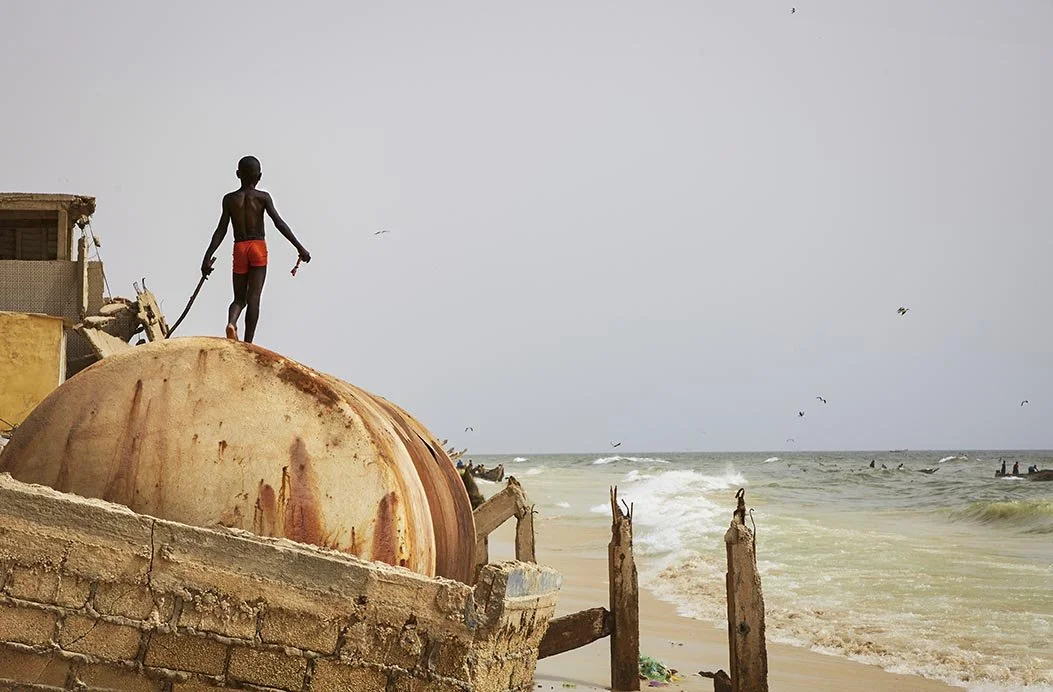
A child plays on the remaining ruin of a sea wall, meant to keep the water at bay after a multi-million euro investment from France.
MUYU LAB
by Isadora Romero
This photo essay explores the conservation of agrobiodiversity in Ecuador through two perspectives: scientific and ancestral. Ecuador's national germplasm bank in Quito stores over 28,000 accessions, supporting resilient seeds without genetic modification, while communities have conserved, domesticated and exchanged seeds for generations.
These worlds rarely engage in dialogue: science maximises productivity for food security, while Imbabura's medicine women use seeds' diverse colours and forms for healing remedies. The project also uses anthotypes - images created from harvest juices - paralleling the time needed to cultivate a harvest and to produce an image. MUYU LAB unites these perspectives, reflecting on our relationship with land, biodiversity and food.
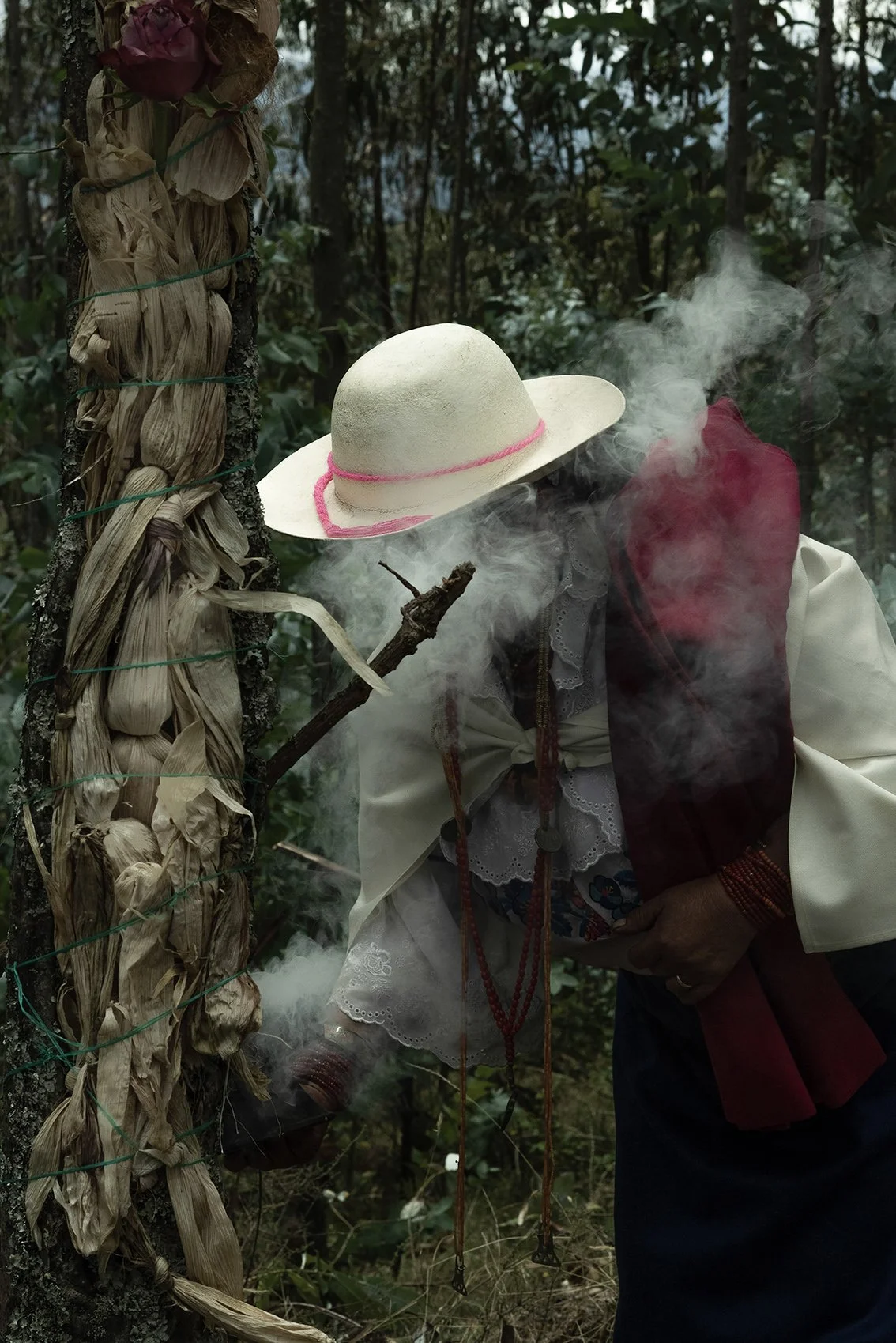
Mama Josefina Lema leads a ritual for Kuya Raymi and Tarapuy Pacharaymi, ancestral festivities that celebrate Mother Earth and mark the beginning of the fertile season. Josefina is a seed keeper and medicine woman. “Seeds are health, the more colours and varieties, the more diseases we can cure.” Camuendo Chico, Imbabura.
Saami, We Used To Live in the Tundra
By Natalya Saprunova
The Saami of Russia, one of Europe’s last Indigenous peoples, lost much of their nomadic autonomy with the rise of Soviet power in the 1920s. Living mainly from reindeer herding, fishing and hunting across the tundra, they were forcibly settled in apartment buildings and collective farms.
For these “children of nature,” losing their ancestral rhythms and freedom was deeply distressing. Lovozero, the main Saami village on the Kola Peninsula near Murmansk, became a central settlement, while Krasnoshchelye and other villages were established on Saami lands to bring reindeer herders together. Under Soviet rule, the Saami language, traditional clothing and spiritual practices were prohibited for many years. Today, snowmobiles have largely replaced reindeer sleds, and the number of reindeer teams continues to decline. The Prazdnik Severa (“Festival of the North”) still celebrates traditional reindeer sled racing. Around 1,500 to 2,000 Saami remain on the Kola Peninsula, but only about 200 still speak the language, most of them elderly. Since the fall of the Soviet regime, the Saami have been working to revive their cultural heritage and ancestral practices while adapting to modern life and the effects of climate change in the Arctic.
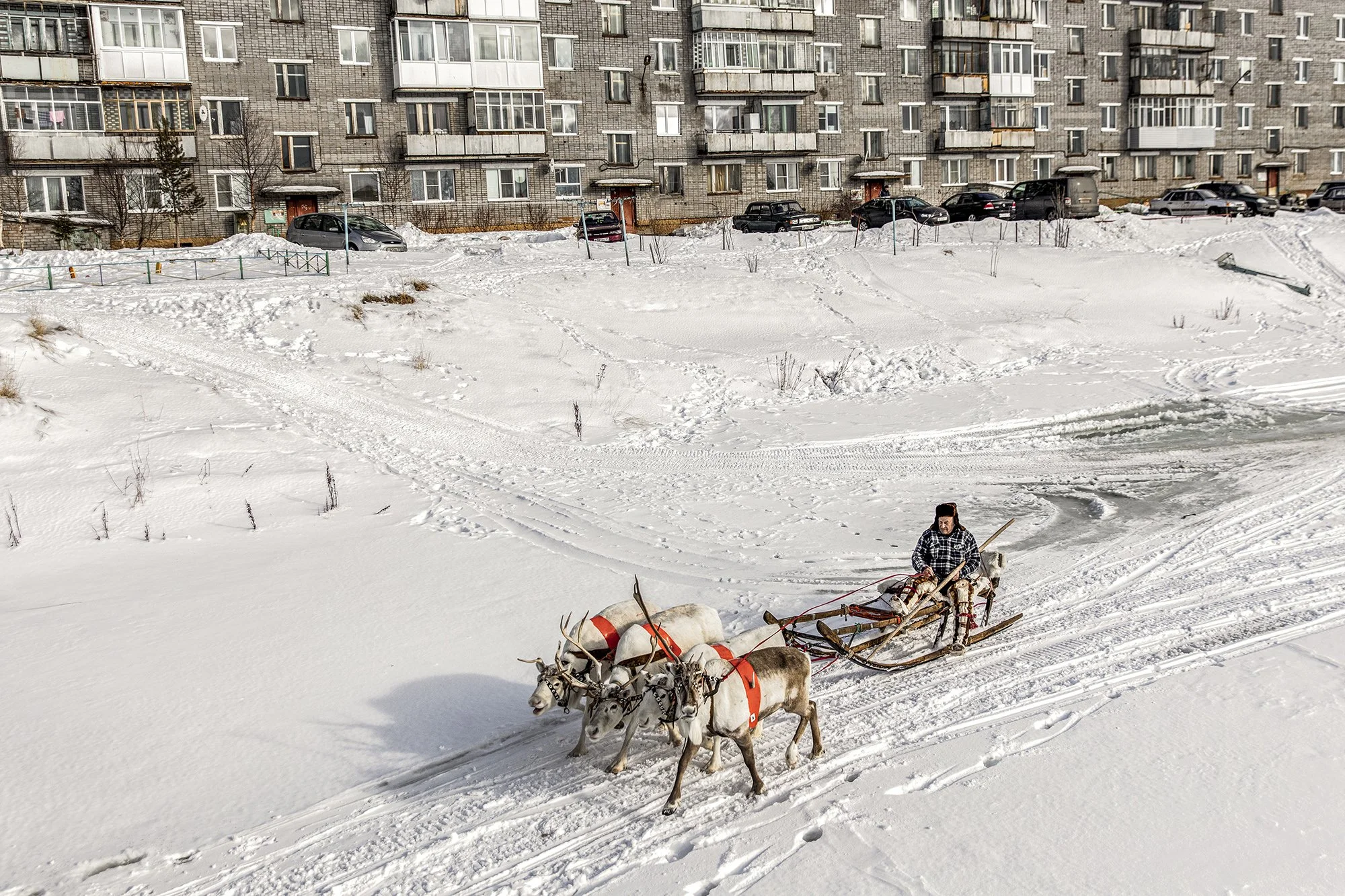
A reindeer herder from a long family line of reindeer herders, Igor Chuprov speeds past the residential apartment blocks of Lovozero on his reindeer sled. He has just taken part in a reindeer sled-racing competition during the Prazdnik Severa (“Festival of the North”), held every year at the end of March.
Grandmothers at 30
By Ana Maria Arévalo Gosen
Venezuela has the highest rate of teenage pregnancy in South America, a crisis intensified by the 2015 economic collapse and mass parental migration. Since then, teenage pregnancies have increased by 65%. Despite these challenges, positive solutions are emerging.
Many young mothers lack stable environments, family support, education, and financial resources to raise and educate their children. Some experience significant nutritional deficiencies during pregnancy, often resulting in underweight babies and some fathers are absent. However, NGOs like the Niña Madre Foundation are working to prevent repeat teenage pregnancies, offering reproductive health education and parenting support.
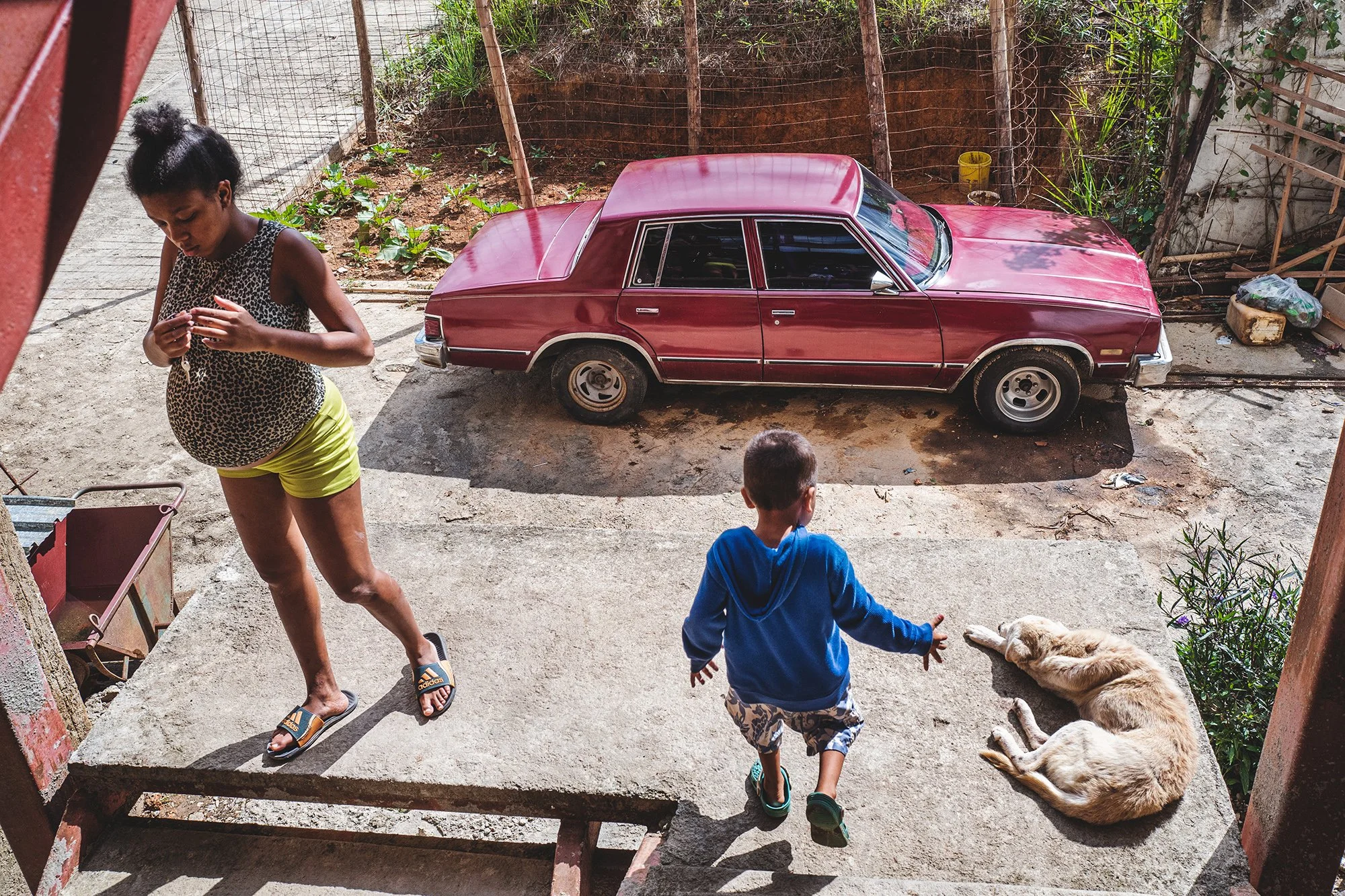
Yetzimar Sanz, 16, returns home after visiting her mother. She dropped out of school when she learned she would be a mother. Now she spends her days cleaning, cooking, and waiting for Adrian, the baby’s father, to return from work. Sisipa, El Hatillo, 2019.
The Leap of Fish That Dream of Flying
By Isabella Franceschini
This long-term documentary project is set in the Po Delta, a UNESCO World Heritage landscape in northern Italy. It explores a territory shaped by decades of industrialisation and environmental pressure, where aquaculture, energy production and fragile ecosystems co-exist in uneasy balance.
Moving between labour, landscape and infrastructure, the work traces the visible and underlying forces reshaping the region as communities face the accelerating impacts of the climate crisis. The transformation of a former thermoelectric power plant into an eco-tourism site signals a shift away from extractive industry. At its core, the project reflects a reimagining of the Delta.
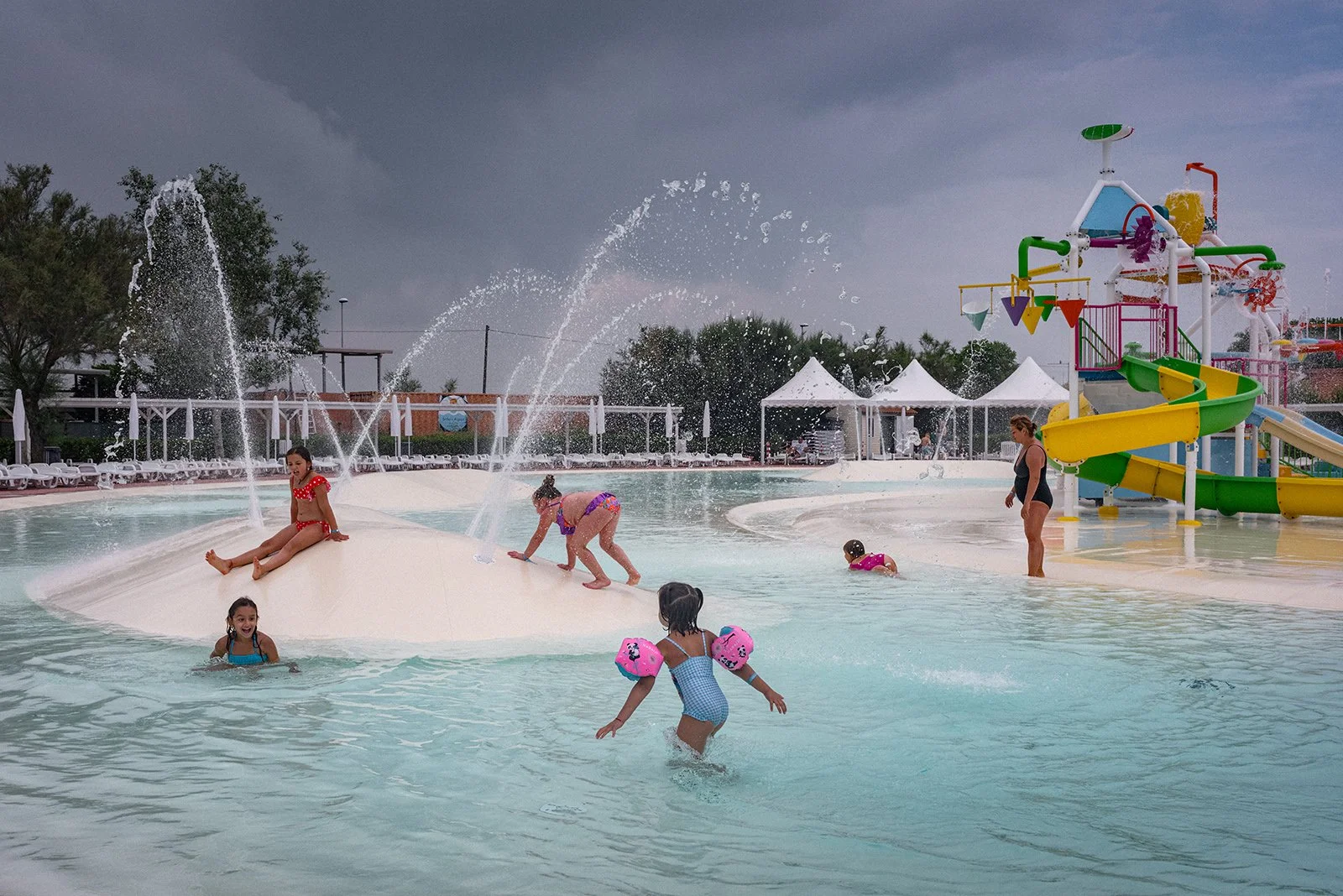
Children playing in the water park of the Barricata tourist village, spanning an area of five hectares with camping pitches, mobile homes, and lodges. Recently, strategic lines have been outlined for sustainable, responsible, and eco-friendly tourism under the supervision of the Po Veneto Regional Park Authority, taking into account the impact on the Delta ecosystem. Porto Tolle, 2023.
Life Under Occupation: Inside Cissie Gool House and Cape Town’s Housing Crisis
By Jodi Windvogel
This photo essay documents daily life inside a former public hospital in Cape Town that has been occupied since 2017 by over 1,500 people resisting displacement. Transformed into a self-organised community, the ‘occupation’ responds directly to Cape Town’s deepening housing crisis.
The work focuses on the strength, dignity, and mutual care residents build amid legal uncertainty. Rather than framing the occupation as protest alone, it is presented as urban resistance and survival led by working-class families. Partnering with housing justice organisations, the images support local advocacy and public education, contributing to broader efforts to rethink housing policy and urban belonging.
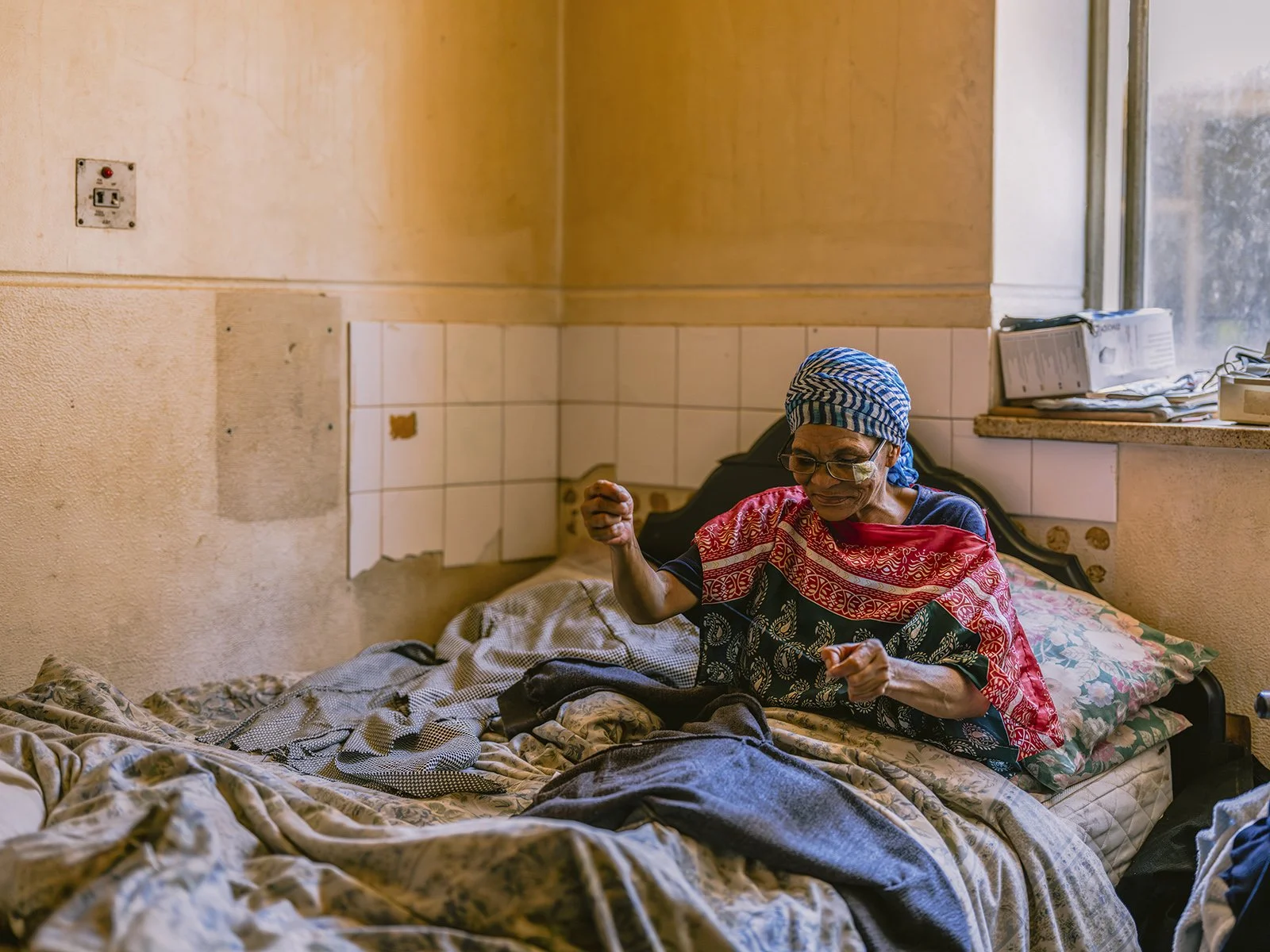
Mariana Louw (55) sews a piece of clothing while sitting on the bed she shares with her two sons. She has lived in the occupation for seven years.
When The Earth Gives Birth
By Johanna Alarcón
This work explores Indigenous maternal healthcare in Ecuador through the stories of midwives, apprentices, and patients at AMUPAKIN and Partera di Anaku, the first Indigenous midwifery schools and hospitals in the Amazon and Andes.
In a country where Indigenous women face disproportionately high maternal mortality rates, limited access to healthcare, and widespread obstetric violence, these women-led initiatives have provided community-based maternal care for more than three decades. Through photography, audio, and text, the project documents Indigenous midwifery as a response to healthcare inequality, racial discrimination, land dispossession, and the erosion of ancestral knowledge. Midwives cross rivers, forests, and mountains to reach remote communities where public healthcare is often absent. As older practitioners age, a new generation of Indigenous women is trained to preserve this living tradition. The project presents Indigenous-led midwifery as an expression of reproductive sovereignty, cultural preservation, territorial defence, and resistance, offering globally relevant models for the rights of women, children, and Indigenous people globally.
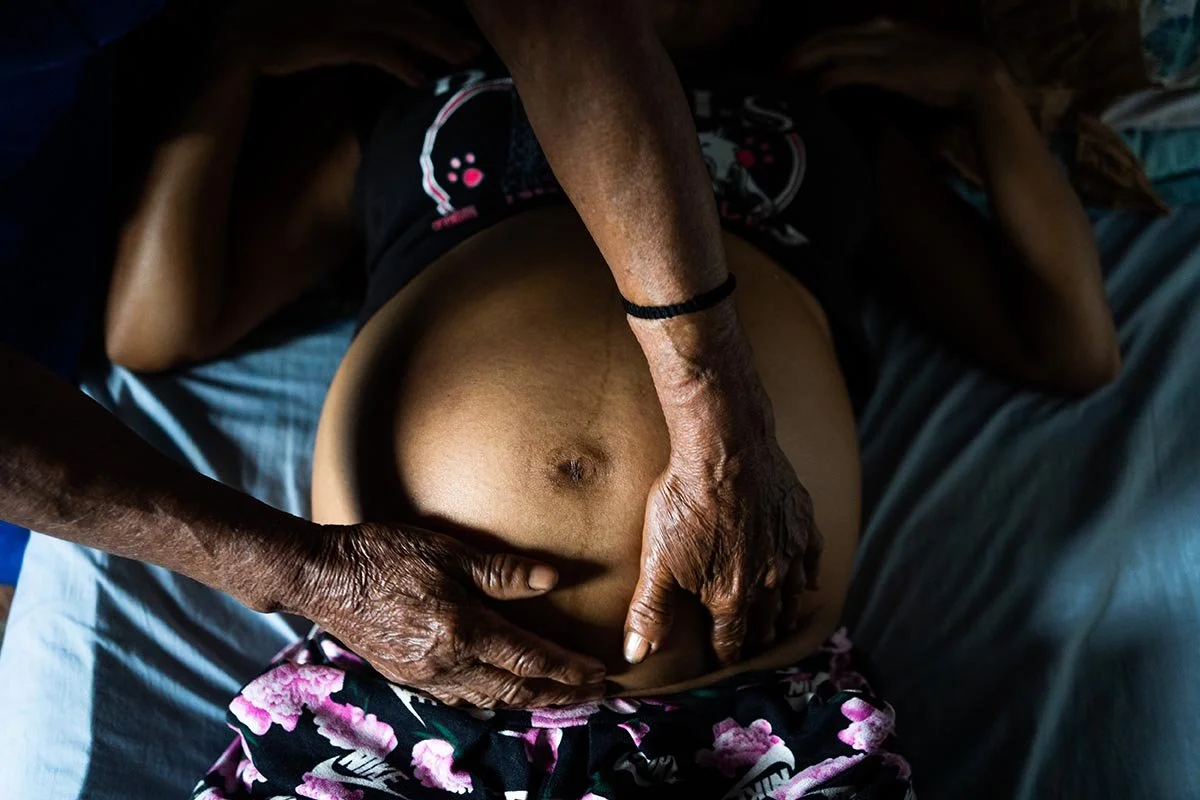
Maria Tapuy, midwife of AMUPAKIN, Association of Kichwa Women Midwives of the Upper Napo, massages the belly of Violeta Tapuy, 32, to accommodate the baby’s position. Violeta, who is expecting her sixth child, lives in a community far from the city, like most Indigenous Amazonian women. Archidona, 2022.