St Agnes place
Janine will be exhibiting St Agnes Place and launching her accompanying book with a talk, screening, and book signing at the festival. Pre-orders are available from RRB Photo Books
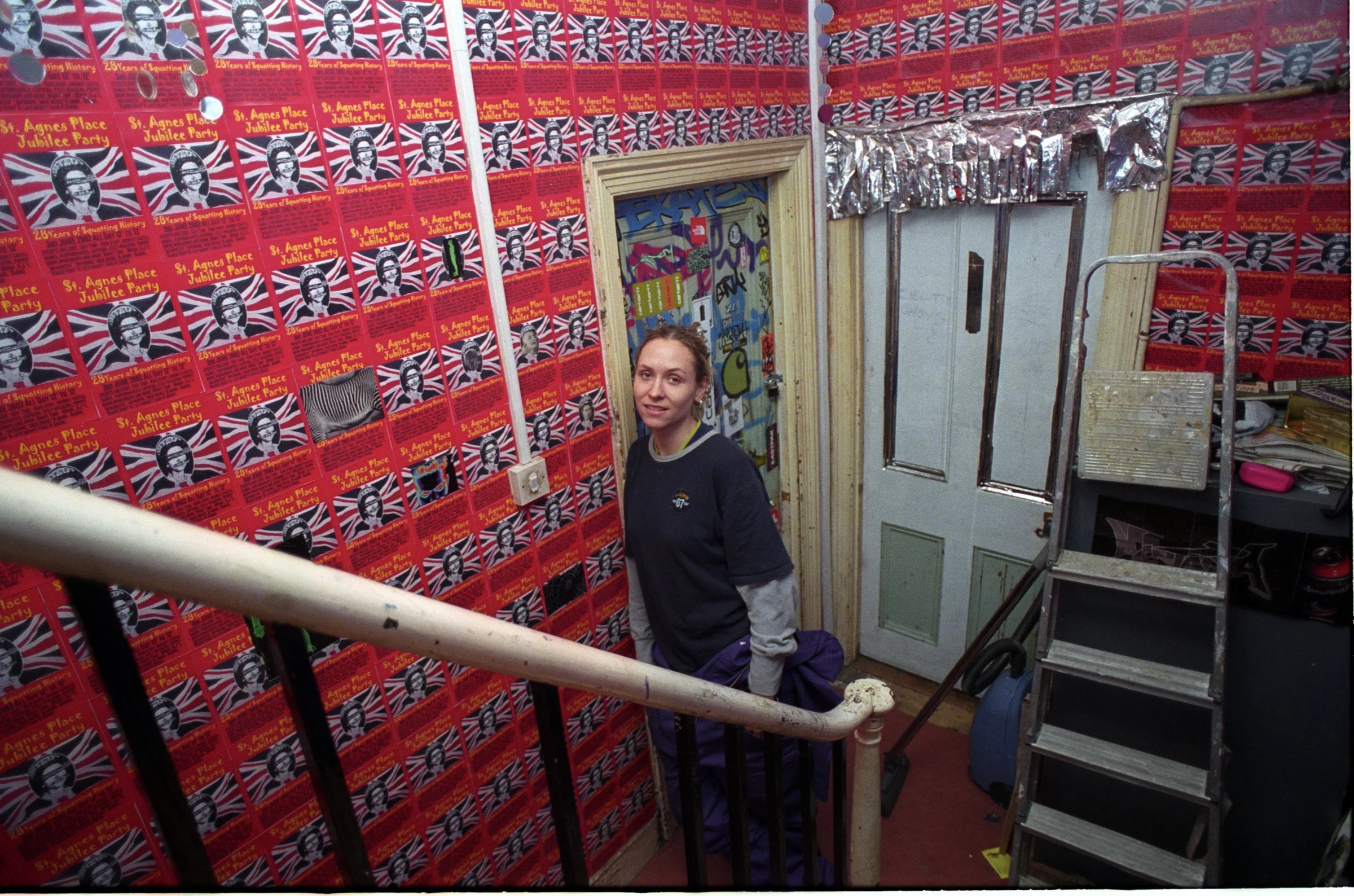
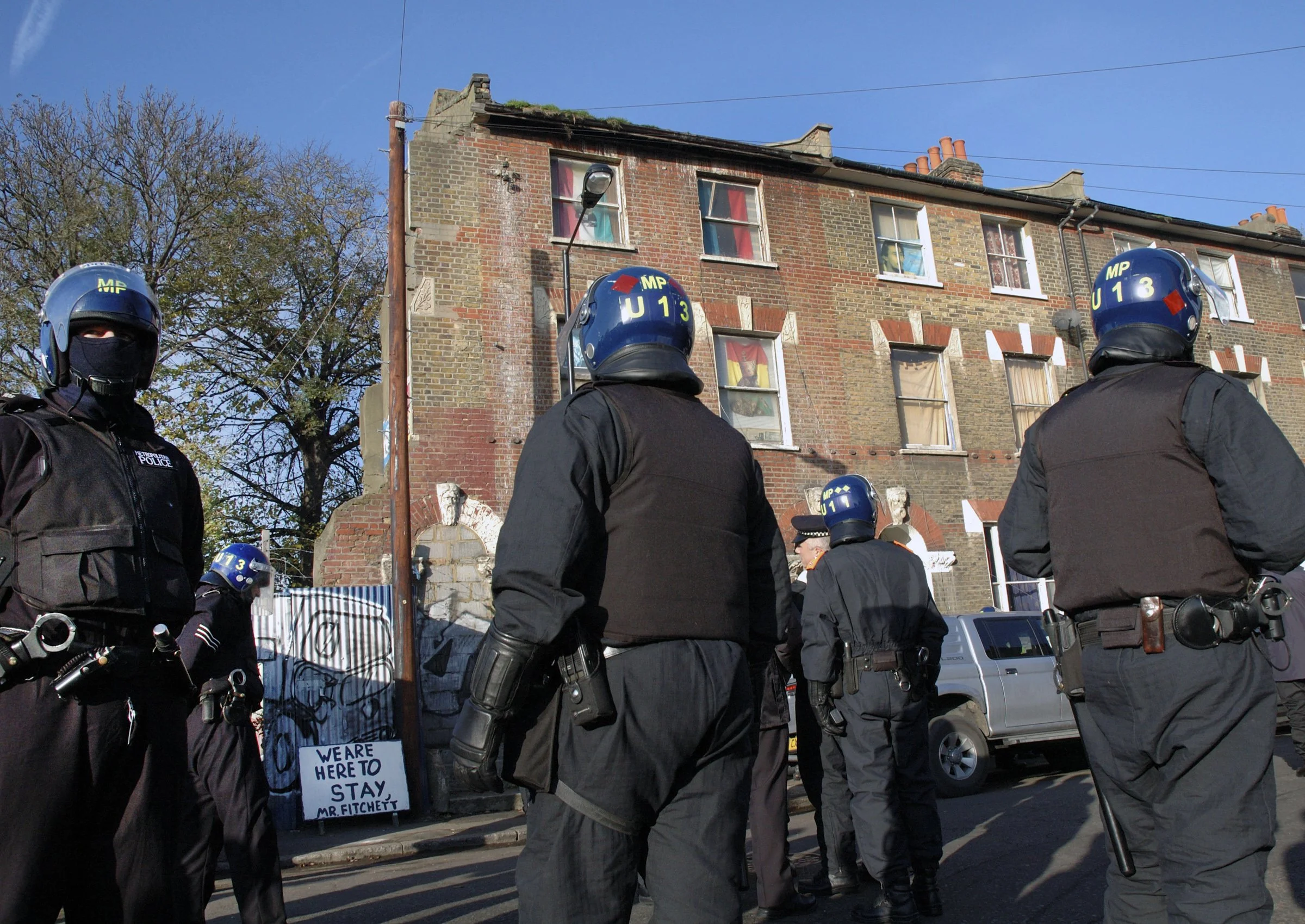
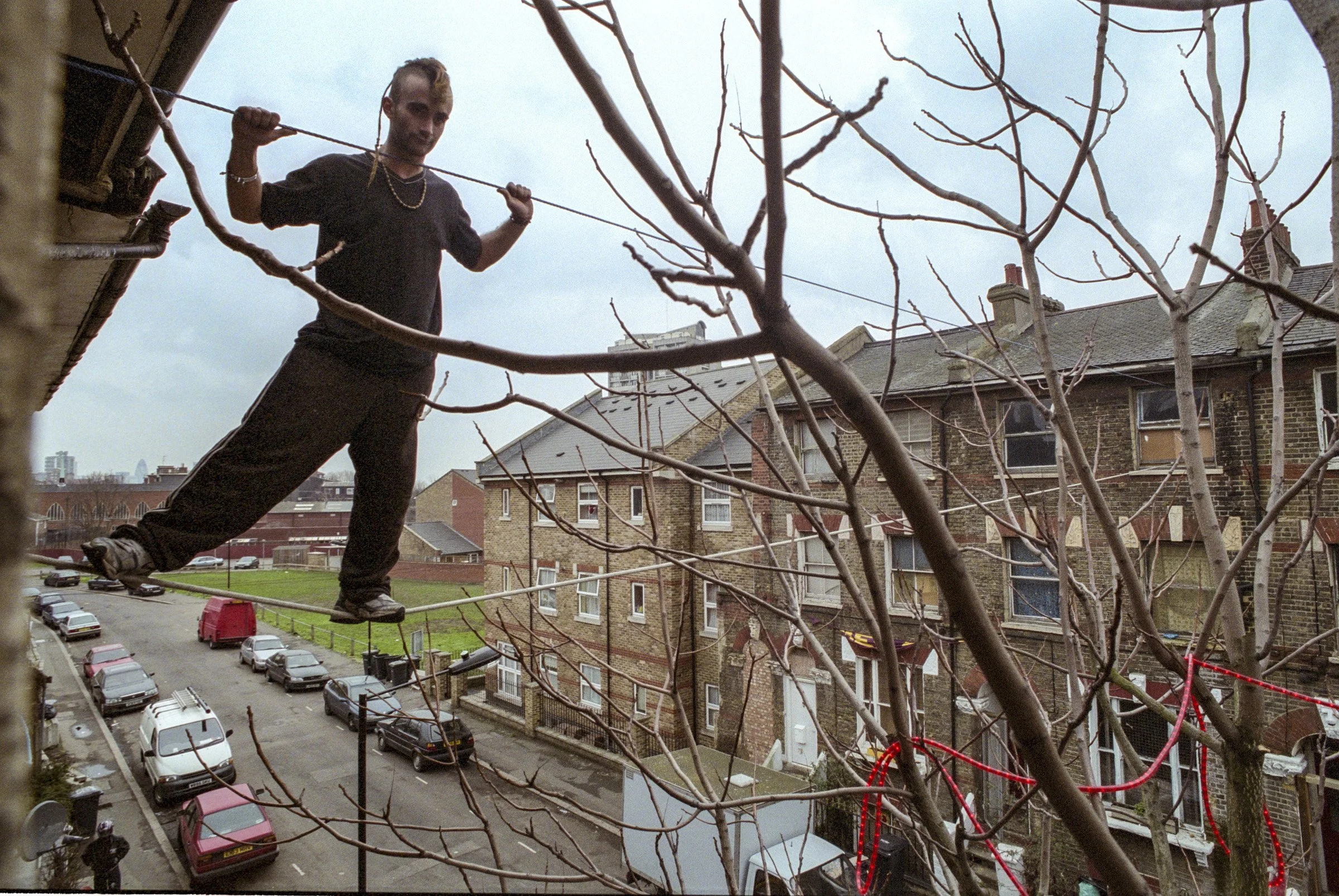
“Between 2003 and 2007, I documented the final years of St. Agnes Place, a South London back street, notable for its status as the longest running squat in London. For over 30 years, until its eventual demolition in 2007, the street was occupied by a fluid and diverse range of groups and individuals, who established an autonomous community which functioned outside the bounds of governmental control. As such, the street stood like few others, as a living monument to the lives and histories which formed it; reflecting the hopes, dreams and failures of its inhabitants and their fraught relationship to society at large. The 22 terraced houses were originally built in Victorian times for the servants of Buckingham Palace. In the late 1960s Lambeth Council abandoned the buildings leaving them to rack and ruin. They were soon occupied and fixed up by political squatters as well as the Rastafarian community who needed a centre. In the mid 70’s Bob Marley spent much of his time there, visiting and playing football in the street as well as working on his last album. The legal history of the street is long and complex. However, over the years the residents managed to resist eviction until November 2005 when two hundred riot police entered the street leaving one hundred and fifty people homeless. A few months later after a court battle and a mysterious overnight arson attack, the Rastafarian Community Centre was demolished and in 2007 the Rastafarian Headquarters was closed down. Lambeth were now in possession of the entire street and Quadrant Housing were ready with their plans for new housing. It is my hope that the photographs and interviews I collected during my time in the street may stand, as the street once did, as a testament to the lives and ideals of the one-time residents of St Agnes Place. Their lives represent histories that often go undocumented and can remain invisible, yet are very much part of the fabric of our inner cities. At the same time, in seeking a collective solution, outside the norms of mainstream society, they became part of a wider subculture with a distinctive history. As individuals, the residents were mostly vulnerable and isolated, but as a community they created a mutually supportive environment that in some cases saved lives. The final brutal destruction of this community haunts not only those who lived there, but all of us who knew its story.” - Janine Weidel